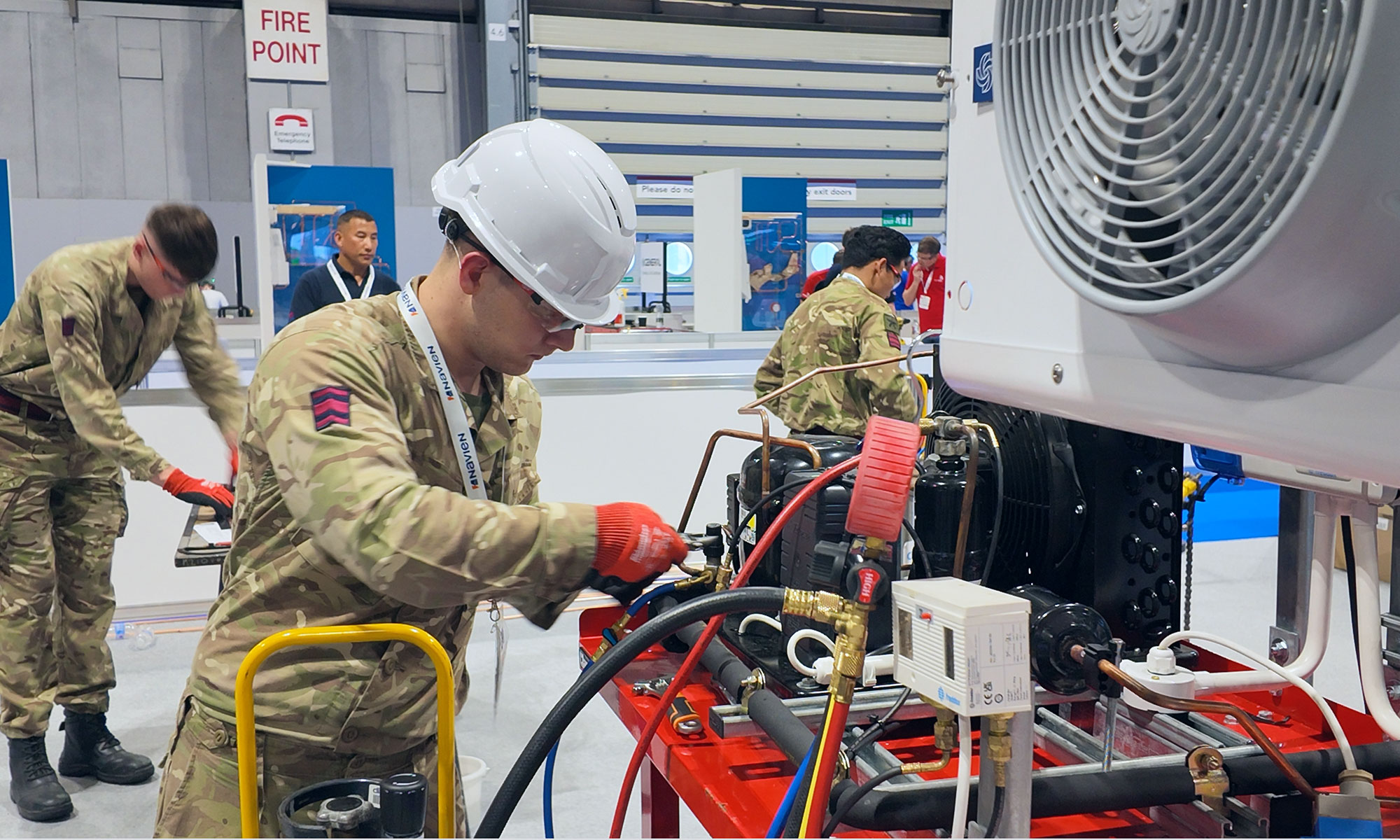
Working With Flammable Refrigerants
Working With Flammable Refrigerants
Working With Flammable Refrigerants
BESA F-Gas Category 1 Renewal, BESA F-Gas Category 2 Renewal, F-Gas Awareness, Health, Safety and Environment Course and Test for Craft and Operatives, Heat Pump Installer, Indoor Air Quality Awareness Course, Introduction To Contract Law - When To Sign On The Dotted Line, Working With Flammable Refrigerants, Heat Networks Foundation Course, Fire Damper Awareness Course (DW145), Understanding Collateral Warranties and Third-Party Rights, Project Management Fundamentals, Health, Safety and Environment Course and Test for Managers and Supervisors, Asbestos Awareness, TR40 Local Exhaust Ventilation (LEV) Awareness Course , Introduction to Heat Network Technical Assurance Scheme 2026, Health, Safety and Environment Test for Craft and Operatives, Understanding Building Regulations In Building Engineering Services, Understanding Building Regulations In BES: Foundations Of Compliance, Understanding Building Regulations For Heating And Hot Water Systems, Understanding Building Regulations For Refrigeration And Air Conditioning Systems, Understanding Building Regulations For Ventilation Systems
Indoor Air Quality Awareness Course, BESA F-Gas Category 1 Renewal, BESA F-Gas Category 2 Renewal, F-Gas Awareness, Working With Flammable Refrigerants
Need To Work Safely With A2L And A3 Flammable Refrigerants?
Build the knowledge you need to work safely with A2L and A3 flammable refrigerants with this 90-minute online course from BESA Academy. Designed for qualified F-Gas engineers working across refrigeration and air conditioning, the course covers safe handling, risk assessment, equipment requirements and the key considerations involved in working with lower-GWP refrigerants.
100% Online · Approx. 90 Minutes · A2L & A3 Training · BESA Certificate Recognised By REFCOM
Complete the course online at your own pace and gain a BESA certificate recognised by REFCOM, helping you develop the additional safety knowledge required as A2L and A3 refrigerants become increasingly common across refrigeration and air conditioning systems.
BESA Members £76 + VAT | REFCOM Members £76 + VAT | REFCOM Elite Members £61.75 + VAT | Standard Price £95 + VAT
Who Should Take This Course?
This flammable refrigerant training is designed for qualified F-Gas engineers, refrigeration technicians, air conditioning engineers and RAC contractors who need to develop their knowledge of working safely with A2L and A3 refrigerants.
Learners should hold an F-Gas Category 1, 2, 3 or 4 qualification before taking this course.
What You Will Learn
The course covers the key knowledge and safety considerations involved in working with flammable refrigerants, including:
- Properties and characteristics of flammable refrigerants, including A2L and A3 classifications
- Legal and regulatory requirements relevant to working with flammable refrigerants
- Risk assessment and safety procedures for installation, servicing and maintenance
- Safe handling techniques including leak detection, charging and recovery procedures
- Equipment requirements and tools needed when working with flammable refrigerants
- Emergency procedures and appropriate fire safety measures
- Environmental considerations and the transition towards lower-GWP refrigerants
Why Flammable Refrigerant Training Matters
The refrigeration and air conditioning sector is transitioning towards refrigerants with lower global warming potential (GWP). Many alternative refrigerants have different flammability characteristics, including A2L and A3 classifications, which require engineers to understand additional risks, safety procedures and equipment requirements.
This course helps qualified F-Gas engineers build the knowledge needed to assess those risks, work safely with flammable refrigerants and adapt as the technologies, refrigerants and requirements used across the sector continue to evolve.
The Benefits Of Flammable Refrigerant Training
Completing this course will help you:
- Build the knowledge needed to work safely with A2L and A3 flammable refrigerants
- Understand relevant legal requirements and safety considerations
- Develop confidence in the safe handling, charging and recovery of flammable refrigerants
- Understand risk assessment and emergency procedures
- Recognise the equipment and tools required when working with flammable refrigerants
- Prepare for the increasing use of lower-GWP refrigerants across refrigeration and air conditioning systems
- Gain a BESA certificate recognised by REFCOM on successful completion
Course Format
Duration: Approximately 90 minutes
Format: 100% online and self-paced
Assessment: Knowledge-check questions throughout and an end-of-course assessment
Certificate: BESA certificate on successful completion, recognised by REFCOM
BESA Member Price: £76 + VAT
REFCOM Member Price: £76 + VAT
REFCOM Elite Member Price: £61.75 + VAT
Standard Price: £95 + VAT
Assessment Attempts: Course price includes one attempt at the test
Frequently Asked Questions
What Are A2L And A3 Flammable Refrigerants?
A2L and A3 are refrigerant safety classifications associated with different levels of flammability. They require engineers to understand the specific risks, safety procedures, tools and working practices needed for safe installation, servicing and maintenance.
Does This Course Cover Both A2L And A3 Refrigerants?
Yes. The course covers the properties and characteristics of both A2L and A3 flammable refrigerants, together with safe handling, risk assessment, equipment requirements and emergency procedures.
Who Should Take This Flammable Refrigerant Training?
The course is designed for qualified F-Gas engineers, refrigeration technicians, air conditioning engineers and RAC contractors who need to develop their knowledge of working safely with A2L and A3 refrigerants.
Do I Need An F-Gas Qualification To Take This Course?
Yes. This course is designed for qualified F-Gas engineers who hold a Category 1, 2, 3 or 4 F-Gas qualification and want to develop their knowledge of working with flammable refrigerants.
How Long Does The Flammable Refrigerants Course Take?
The course takes approximately 90 minutes to complete and is delivered 100% online, allowing you to work through the training at your own pace.
Is There An Assessment?
Yes. Knowledge-check questions are included throughout the course, followed by an end-of-course assessment. The course price includes one attempt at the test.
What Certificate Will I Receive?
On successful completion, you will receive a BESA certificate recognised by REFCOM, providing evidence that you have completed training in working safely with flammable refrigerants.
What Topics Are Covered In The Course?
The course covers A2L and A3 refrigerant characteristics, legal and regulatory requirements, risk assessment, safe handling techniques, equipment requirements, emergency procedures and the transition towards lower-GWP refrigerants.
Why Is Flammable Refrigerant Training Becoming More Important?
The refrigeration and air conditioning sector is increasingly using lower-GWP refrigerants. Many alternatives have different flammability characteristics, which means engineers need to understand the additional risks, safety procedures and equipment requirements involved in working with them.
How Much Does The Course Cost?
The standard price is £95 + VAT. BESA Members and REFCOM Members pay £76 + VAT, while REFCOM Elite Members pay £61.75 + VAT. The course price includes one attempt at the test.