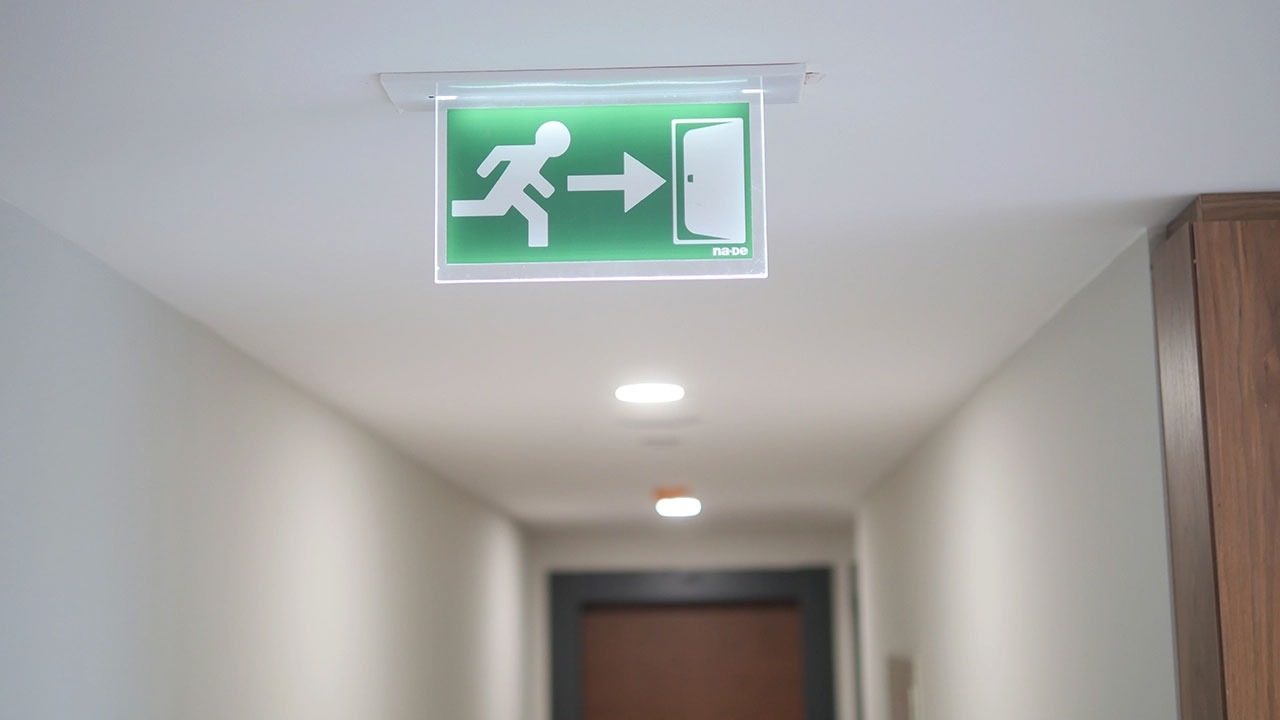
SCA Guide to Common Escape Routes
SCA Guide to Common Escape Routes
This free online CPD course from BESA Academy is presented by AKH Services and discusses the different types of smoke control products and their location when fitted into an apartment block, and where and how these products link with various controls utilised in a building in support of firefighters. The course clarifies the various BS/EN standards that a smoke control system has to follow for competence and compliance, based on the Smoke Control Association (SCA) guidance on common escape routes.
This course is free of charge and CIBSE accredited for CPD. Download your certificate on completion.
What You Will Learn
This 30-minute course covers:
- The different types of smoke control products used in apartment blocks
- Where smoke control products should be located when fitted
- How smoke control products link with various building controls
- How smoke control systems support firefighters
- The various BS/EN standards that smoke control systems must follow
- Competence and compliance requirements for smoke control systems
- SCA guidance on common escape routes in residential buildings
Who Should Take This Course?
This course is suitable for building services engineers and designers specifying smoke control systems, fire safety engineers and consultants, facilities managers and building managers responsible for apartment blocks and high-rise residential buildings, contractors and installers working on smoke control systems, building control officers and fire safety inspectors, and anyone involved in the design, installation, or maintenance of smoke control systems in residential buildings.
Why Smoke Control in Common Escape Routes Matters
Smoke control systems in common escape routes are critical for life safety in apartment blocks and high-rise residential buildings. In the event of fire, smoke can spread rapidly through corridors, stairwells, and lobbies, preventing occupants from escaping safely and hindering firefighter access. Properly designed and installed smoke control systems protect escape routes by preventing smoke ingress, maintaining clear paths for evacuation, and supporting firefighting operations.
Understanding the different types of smoke control products, where they should be located, how they integrate with building controls, and which BS/EN standards apply is essential for anyone involved in designing, installing, or maintaining these life-critical systems. The SCA guidance on common escape routes provides authoritative best practice for smoke control in residential buildings.
The Benefits of This Course
Completing this course will help you:
- Understand the different types of smoke control products for apartment blocks
- Know where smoke control products should be located
- Understand how smoke control products integrate with building controls
- Recognise how smoke control systems support firefighters
- Apply the relevant BS/EN standards for smoke control systems
- Ensure competence and compliance in smoke control system design and installation
- Follow SCA guidance on common escape routes
- Earn CIBSE-accredited CPD to support your professional development
Course Format
Duration: 30 minutes
Format: 100% online, self-paced
Assessment: Knowledge check questions at the end of the course
Certification: CPD certificate available to download on completion
Accreditation: CIBSE accredited
Cost: Free of charge
Frequently Asked Questions
What are common escape routes in residential buildings?
Common escape routes are shared areas such as corridors, lobbies, and stairwells that occupants use to evacuate a building in the event of an emergency. These routes must be protected from smoke and fire to ensure people can exit safely.
What is a smoke control system?
A smoke control system is designed to manage the movement of smoke during a fire. It typically includes smoke vents, mechanical extraction systems, dampers, and control panels that help keep escape routes clear of smoke and assist firefighters during emergency response.
Why are smoke control systems important in apartment blocks?
In high-rise and multi-occupancy residential buildings, smoke can spread quickly through shared areas. Proper smoke control helps maintain clear escape routes, protects occupants during evacuation, and allows firefighters to access the building safely.
What standards apply to smoke control systems?
Smoke control systems must comply with relevant British and European standards, including various BS and EN standards covering design, installation, testing, and performance requirements. These standards help ensure systems operate reliably during a fire.
Who should take this course?
This course is suitable for building services engineers, fire safety consultants, system designers, contractors, installers, facilities managers, and building control professionals involved in the design, installation, or management of smoke control systems.
How long does the course take to complete?
The course takes approximately 30 minutes to complete. It is delivered online and can be taken at your own pace, making it easy to complete alongside your professional responsibilities.
Is the course accredited for CPD?
Yes. This course is accredited by CIBSE for continuing professional development (CPD), helping professionals demonstrate their ongoing learning in fire and smoke control systems.
Will I receive a certificate after completing the course?
Yes. After successfully completing the course and the knowledge check questions, you will be able to download a CPD certificate confirming your participation.